Never Broken: How RDF Protects the Cold Chain at Every Step
A well-maintained cold chain keeps products fresh and safe. Any lapse can cause spoilage, food safety risks, customer dissatisfaction, or regulatory issues. At RDF Feed, Livestock & Foods, Inc., food safety and quality begin with strict cold chain management at every stage, well before products reach your table.
As a vertically integrated agri-food business, RDF oversees every stage of its products’ journey, from breeding and farming to final sale. By operating its own farms, processing plants, and distribution networks, RDF maintains full control. Fresh Options Meatshop, owned and operated by RDF, demonstrates this integrated approach. The company enforces strict cold chain protocols in all facilities and during transport.
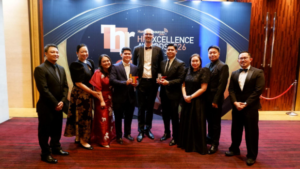
Its cold chain is built on four pillars: Refrigerated Storage and Transport, Real-Time Monitoring and Traceability, Preventive Maintenance and Equipment Reliability, and Staff Training and Cold Chain Culture. Each addresses specific risks from farm to table. Certifications such as FSSC 22000, GMP, and HACCP, along with compliance with Philippine regulations, reinforce this system. Regular third-party audits provide further assurance to customers and partners.
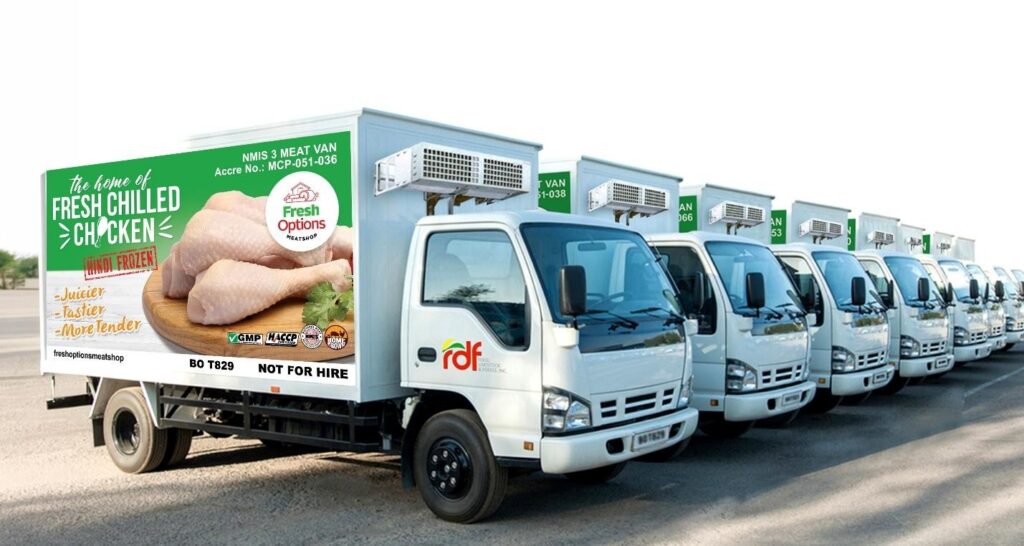
The first pillar, Refrigerated Storage and Transport, safeguards product safety at every step. At the processing plant, meat is rapidly chilled or frozen under strict temperature controls. Products are transferred and inspected to meet international cold chain standards. Before loading, delivery vehicles are pre-cooled and checked to ensure both the truck and products are at the correct temperature. Refrigeration units maintain cold temperatures and minimize heat exposure during loading, transport, and storage. Temperature checks and efficient procedures are followed at each stage. Every step is managed as a critical control point to protect the cold chain from processing to final delivery.
The second pillar, Real-Time Monitoring and Traceability, reduces the risk of undetected temperature changes during storage and delivery. Reliable thermometers and GPS trackers monitor temperature and location for every delivery. Electronic records allow staff to quickly identify and resolve issues. If a temperature breach occurs, a rapid-response protocol is followed: products are inspected and segregated, corrective actions are taken, and a full investigation is conducted to prevent recurrence. These systems flag issues, track incidents, and strengthen food safety. Regular external inspections and audits further enhance accountability and help prevent spoilage and regulatory issues.
The third pillar, Preventive Maintenance and Equipment Reliability, ensures consistent operations. An in-house engineering team, specializing in refrigeration and air-conditioning, conducts routine inspections and servicing for all refrigeration units, cold storage rooms, and delivery vehicles. This proactive approach minimizes breakdowns and maintains optimal equipment performance, even during peak demand or long deliveries. Spare parts and backup units are available, and staff are trained to identify early warning signs. By prioritizing maintenance, the company prevents disruptions and maintains product quality.
The fourth pillar, Staff Training and Cold Chain Culture, emphasizes rigorous safety and comprehensive training to prevent errors and ensure consistent product handling. Safety is a shared responsibility at every level, reinforced through regular training in temperature checks, emergency protocols, and proper handling. Staff are prepared to respond quickly and identify issues early. This culture of accountability extends from the farm to the Fresh Options counter, ensuring food safety remains a constant standard.
For customers, including families, restaurants, and hotels, RDF’s cold chain management provides more than just safe products.
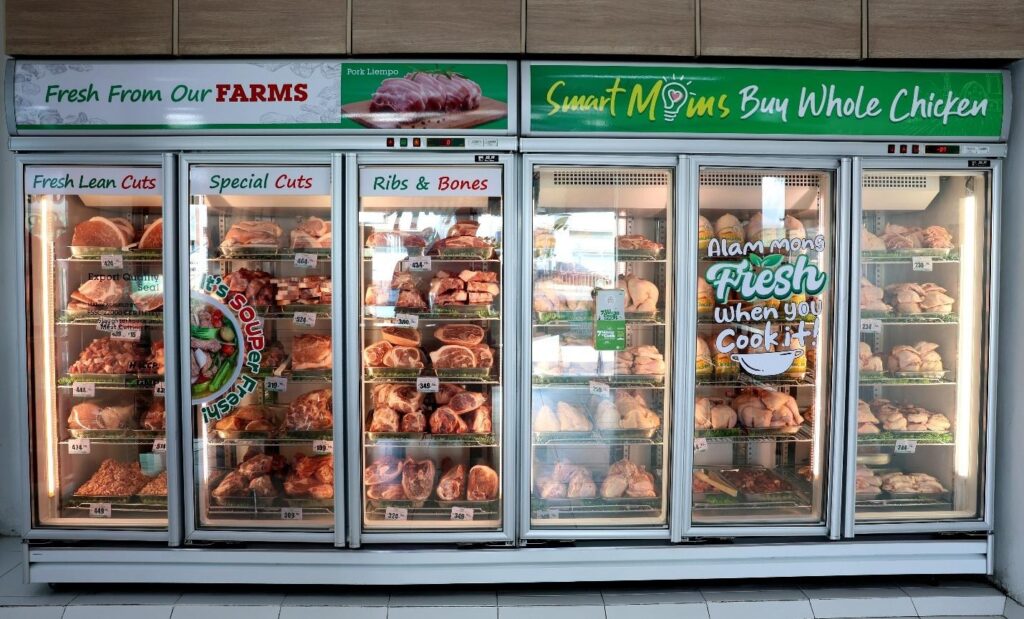
Fresh Options customers can trust that every cut of meat is kept at the correct temperature throughout its journey. This commitment reduces the risk of foodborne illness and preserves freshness and nutritional value.
Institutional buyers, including hotels, restaurants, caterers, and food manufacturers across Luzon, gain a trusted and auditable partner. RDF’s cold chain records meet the highest food safety standards. Detailed temperature logs, transit data, and compliance reports show that procurement requirements are consistently met or exceeded.
For households and businesses, real-time monitoring and traceability reduce spoilage and extend shelf life.
As RDF Feed, Livestock & Foods, Inc. expands across Luzon, its commitment to a seamless cold chain sets a new benchmark for food safety. Investments in skilled personnel, reliable equipment, and proven systems reinforce one promise: no shortcuts, no compromises. In today’s market, trust is earned by companies that consistently deliver safe, high-quality products. With every product, RDF upholds this pledge. The cold chain is more than a process; it is a promise to protect families, support partners, and raise the standard for safe, high-quality meats in the Philippines.